

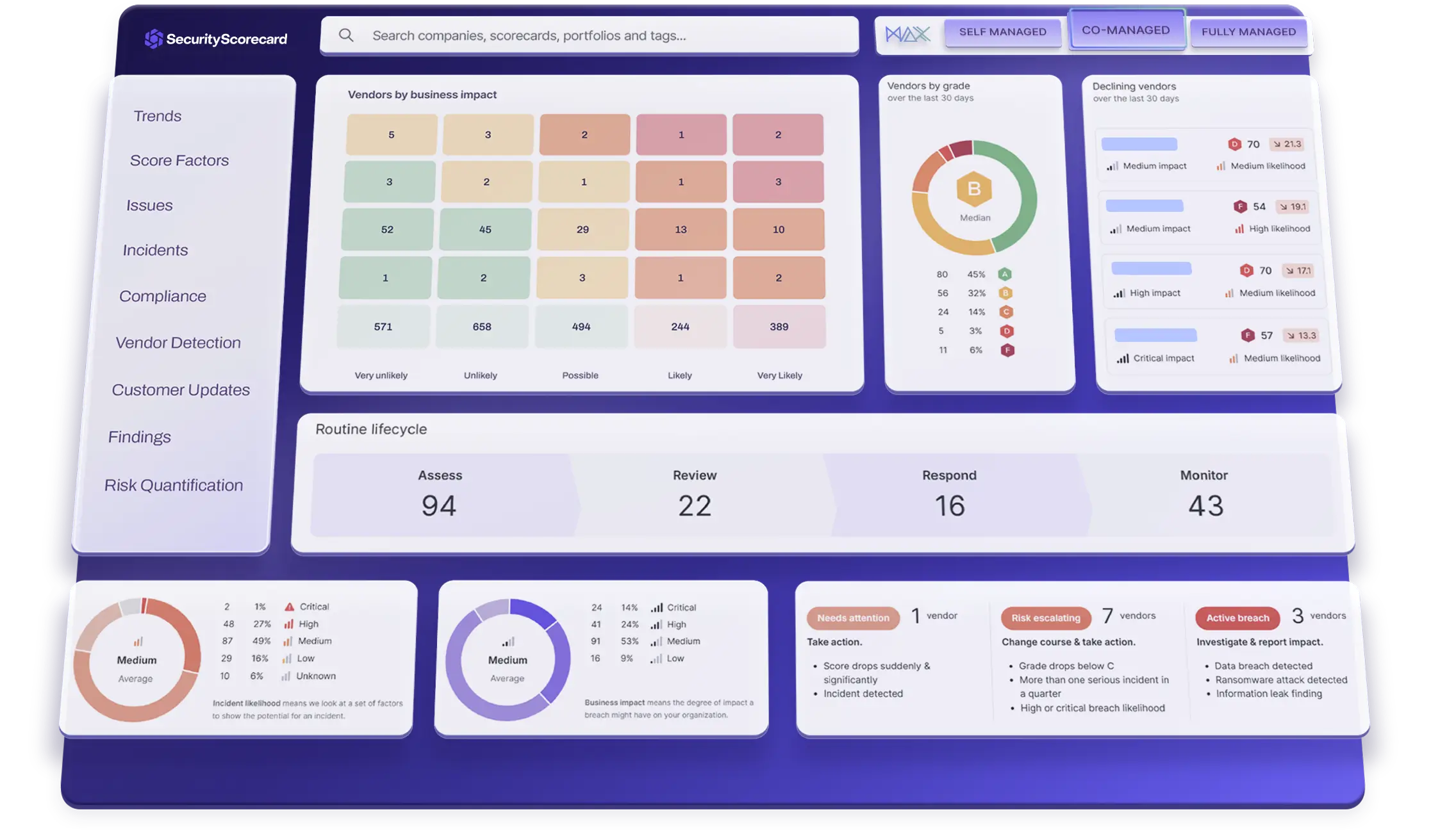
Risk Management in the Digital Age: Building Resilient Organizations
H1: Whysk Management Matters More Than
In today’s interconnected world, risk is not just a compliance requirement—it is a strategic necessity. Organizations face complex challenges ranging from cybersecurity threats and supply chain disruptions to regulatory changes and vendor risks. Without a structured approach, businesses expose themselves to financial loss, reputational damage, and operational instability.
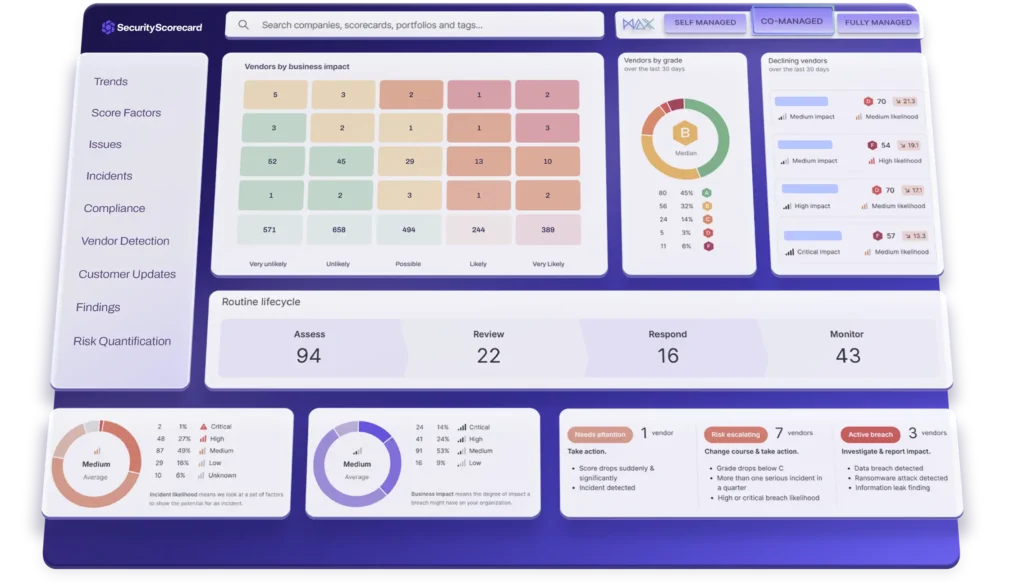
The modern approach to risk management combines AI‑driven analytics, human awareness training, and global compliance standards to create a proactive defense against uncertainty.
H2: Defining Risk in Business
Managing risks is the process of identifying, assessing, and mitigating threats that could impact organizational objectives. It involves:
- Risk Identification: Recognizing potential threats in operations, technology, and external environments.
- Risk Assessment: Evaluating the likelihood and impact of risks.
- Risk Mitigation: Implementing controls, training, and policies to reduce exposure.
- Monitoring: Continuously tracking risks and adapting strategies.
H2: The Role of Cybersecurity in Managing Risks
H3: Human‑Centric Risks
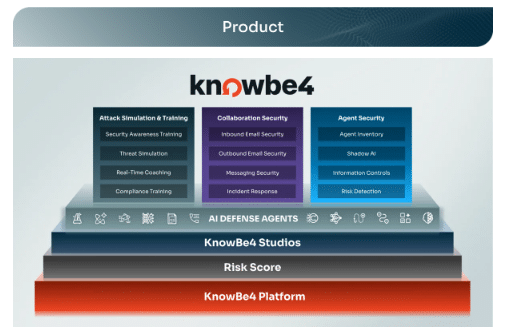
Employees are often the weakest link in security. Phishing emails, social engineering, and poor password practices create vulnerabilities. Platforms like KnowBe4 provide security awareness training and phishing simulations to strengthen human defenses.
H3: Vendor Risk Management
Third‑party vendors introduce challenges through data sharing, outsourcing, and supply chain dependencies. A structured vendor management framework ensures that suppliers comply with security and procurement standards.
H3: AI‑Driven Risk Scoring
Artificial Intelligence enhances management by analyzing behavior patterns, predicting vulnerabilities, and assigning scores. This allows organizations to prioritize high‑risk areas and allocate resources effectively.
H2: Risk Management in Procurement and Supply Chains
Supply chains are highly vulnerable to geopolitical shifts, natural disasters, and cyberattacks. CIPS Procurement Training equips professionals with the skills to identify and mitigate these risks.
H3: Key Procurement Risks
- Supplier Reliability: Ensuring vendors deliver on time and meet quality standards.
- Compliance Risks: Adhering to international trade laws and ethical sourcing.
- Cyber Risks: Protecting procurement systems from fraud and data breaches.
By integrating CIPS training with cybersecurity awareness, organizations create a holistic risk management strategy that covers both digital and operational threats.
H2: Benefits of a Strong Risk Management Framework
H3: Improved Decision‑Making
Risk management provides leaders with data‑driven insights, enabling smarter investment and operational decisions.
H3:nhanced Compliance
Automated reporting and training ensure alignment with ISO 27001, GDPR, and CIPS standards.
H3: Reputation Protection
Proactive risk management builds trust with stakeholders, clients, and regulators.
H3: Financial Stability
By reducing exposure to fraud, cyberattacks, and supply chain disruptions, organizations safeguard profitability.
H2: SEO and AEO Strategy for Content3: Long‑Tail Keywords
Use phrases like “AI‑driven risk management framework”, “vendor risk management in procurement”, and “cybersecurity awareness training for employees” to capture high‑intent traffic.
H3: Backlink Placement
Strategically embed backlinks to KnowBe4, SCMERPSM, and CompTIA Security+ within contextual sentences to boost domain authority and credibility.
H2: Future Trends in Risk Management
The future of risk management will be shaped by:
- AI and Machine Learning: Predictive analytics for real‑time risk scoring.
- Integrated Platforms: Combining procurement, cybersecurity, and compliance in one ecosystem.
- Regulatory Evolution: Stricter global standards for vendor and supply chain transparency.
- Human + AI Collaboration: Employees empowered by AI tools to detect and respond to risks faster.
H2: Conclusion — Risk Management as a Strategic Advantage
Managing risk is more than a defensive mechanism—it is a strategic advantage. By integrating AI‑driven cybersecurity tools, vendor frameworks, and CIPS procurement training, organizations can build resilience, protect reputation, and ensure long‑term success.
With platforms like KnowBe4 and training centres such as ERP Software Management , businesses can transform risk management from a compliance checkbox into a competitive differentiator.
Ultimately, a focus on risk management can enhance an organization’s ability to navigate uncertainties effectively.



One Response