Cloning cyber attacks are rising sharply across South Africa, targeting SMEs with fake websites, cloned WhatsApp accounts, impersonated emails, and fraudulent payment requests. In 2026, cybercriminals are using AI‑powered cloning tools to mimic brands, executives, suppliers, and even entire ERP portals. South African SMEs—already vulnerable due to limited cybersecurity budgets—are now facing a new wave of impersonation threats that are harder to detect and faster to execute.
Reddit’s r/cybersecurity and r/sysadmin communities report a 300% increase in impersonation and cloning scams, while LinkedIn discussions show South African SMEs struggling with fake supplier profiles, cloned invoices, and deepfake voice notes used to authorise fraudulent payments.
Why Cloning Cyber Attacks Are Increasing in South Africa
Cybercriminals now use AI to clone:
-
Company websites
-
Email domains
-
WhatsApp business accounts
-
Social media pages
-
Executive identities
-
Supplier invoices
-
ERP login portals
Key Drivers Behind the Surge
-
AI tools make cloning easy — attackers can replicate logos, writing style, and signatures in seconds.
-
SMEs lack verification processes — especially in procurement and finance.
-
High trust culture — South African businesses rely heavily on WhatsApp and email.
-
Weak vendor risk management — attackers exploit supply chain gaps.
Cloning attack, impersonation scam, cyber attack South Africa
How to prevent cloning cyber attacks in South Africa, SME cybersecurity 2026, AI‑powered impersonation threats
Real Case Example — South African SME Loses R850,000 to a Cloned Supplier
In 2025, a Durban‑based manufacturing SME paid R850,000 to a cloned supplier account. The attackers:
-
Created a fake domain one letter different from the real supplier
-
Cloned the supplier’s invoice template
-
Used AI to mimic the supplier’s writing style
-
Sent a WhatsApp message confirming “new banking details”
The SME only discovered the fraud when the real supplier followed up on unpaid invoices.
This case mirrors dozens of similar incidents reported on Reddit and LinkedIn, where AI‑generated impersonation is now the most common attack vector.
How South African SMEs Can Prevent Cloning Cyber Attacks in 2026
1. Verify All Supplier Banking Changes
Use phone verification—not WhatsApp.
2. Implement Multi‑Step Payment Approval
At least two people must approve changes.
3. Use Domain Monitoring Tools
Detect cloned or look‑alike domains early.
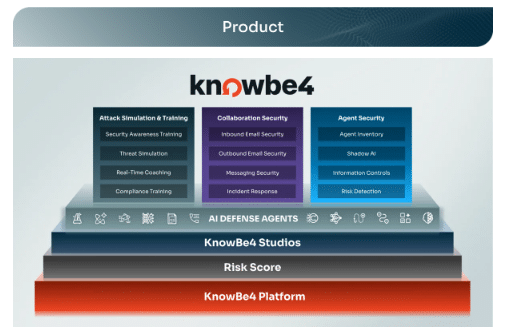
4. Train Staff on Impersonation Red Flags
AI phishing looks real—training is essential.
5. Enable Email Authentication (DMARC, SPF, DKIM)
Stops spoofed emails from reaching inboxes.
6. Use Next‑Gen Endpoint Protection
Traditional antivirus cannot detect AI‑driven impersonation.
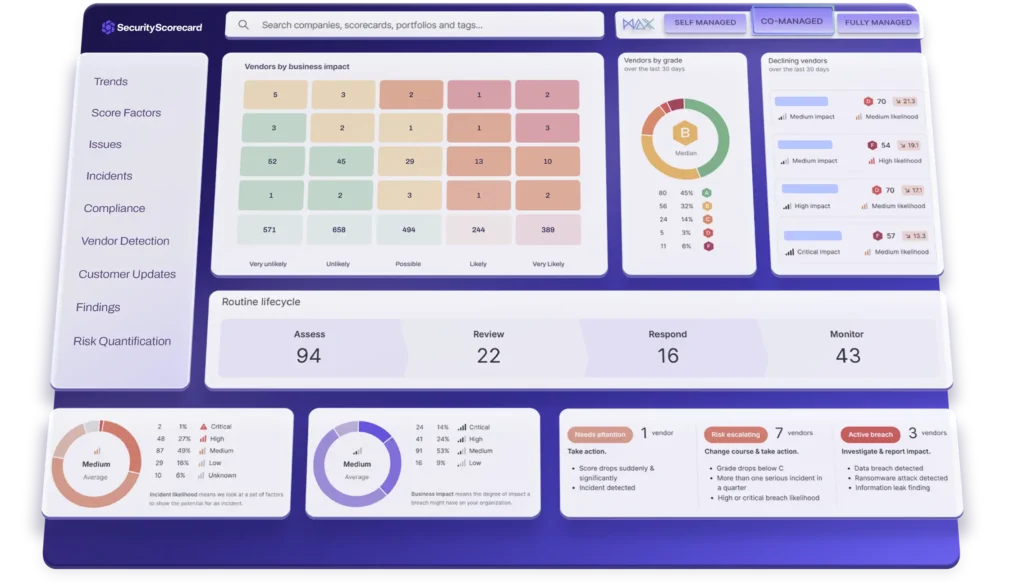
7. Strengthen Vendor Risk Management (TPRM)
Monitor supplier cyber posture continuously.
8. Protect WhatsApp Business Accounts
Enable 2FA and monitor for cloned profiles.
FAQs
1. What is a cloning cyber attack?
A cyber attack where criminals clone a business identity, website, or communication channel to deceive victims.
2. Why are South African SMEs targeted?
SMEs rely heavily on email and WhatsApp, making impersonation easier.
3. How do attackers clone websites?
Using AI tools that copy logos, layouts, and content in minutes.
4. Can WhatsApp accounts be cloned?
Yes—attackers create fake profiles using your business name and logo.
5. How can SMEs detect fake invoices?
Check domain spelling, bank details, and verify with a phone call.
6. What tools prevent impersonation attacks?
DMARC, SPF, DKIM, domain monitoring, and next‑gen endpoint protection.
7. Are cloning attacks linked to AI?
Yes—AI generates realistic emails, signatures, and voice notes.
8. What industries are most affected?
Manufacturing, logistics, retail, and procurement‑heavy sectors.
9. Does POPIA require protection against impersonation?
Yes—POPIA mandates safeguarding personal and business data.
10. How can SMEs strengthen vendor verification?
Use TPRM tools and enforce multi‑step supplier validation.
-