


Cybersecurity: The Hidden Risk Every African Business Must Address in 2026
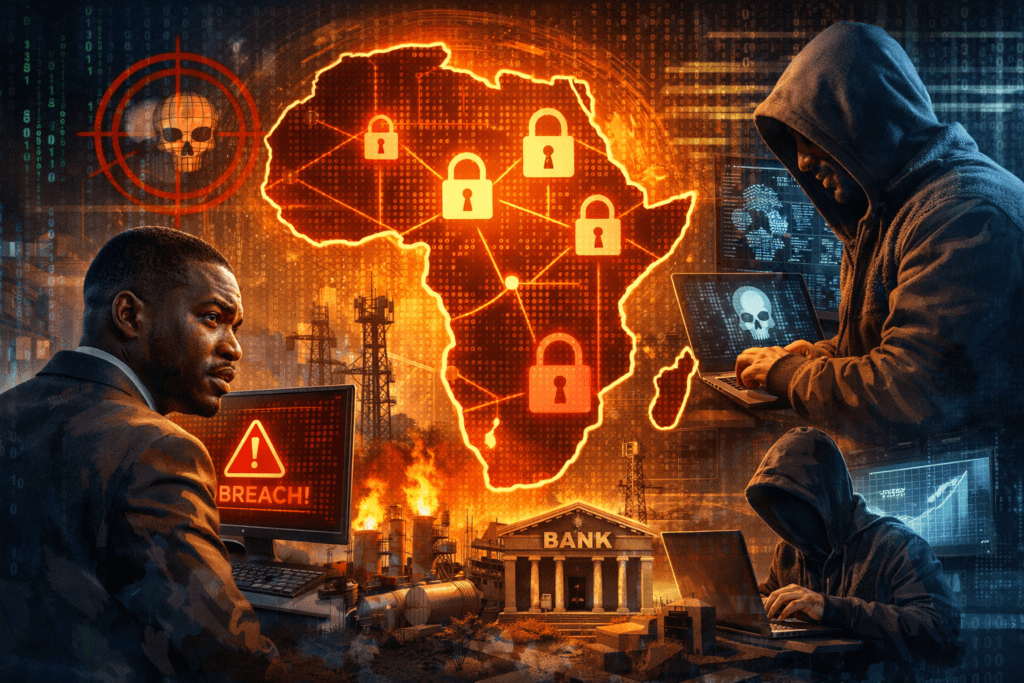
Cybersecurity has become one of the most urgent business priorities in Africa. As organisations across South Africa, Nigeria, Kenya, Cameroon, Ghana, and other regions accelerate digital transformation, cybercriminals are targeting businesses with increasing precision. The shift to cloud systems, digital procurement platforms, online payments, and remote work has expanded the attack surface — and many organisations are not prepared.
In 2026, African businesses face a new reality: cybersecurity is no longer an IT issue; it is a business survival requirement. We work closely with organisations across Africa and see firsthand how cyber risks impact operations, supply chains, procurement, and financial stability.
The Rising Cyber Threat Landscape in Africa
Cybercrime in Africa has grown rapidly over the past three years. Attackers are exploiting gaps in digital systems, weak authentication, untrained staff, and vulnerable suppliers. The most common threats include:
1. Phishing & Business Email Compromise (BEC)
Cybercriminals impersonate suppliers, executives, or finance teams to trick employees into approving fraudulent payments or sharing sensitive information.
2. Ransomware Attacks
Hackers encrypt company data and demand payment to restore access. Many African businesses have suffered days or weeks of downtime due to ransomware.
3. Supply Chain & Vendor Attacks
Attackers target third‑party vendors, procurement systems, or ERP platforms to gain access to larger organisations. A single weak supplier can compromise an entire supply chain.
4. Cloud Security Misconfigurations
As organisations migrate to cloud‑based procurement and ERP systems, incorrect configurations expose sensitive data to the public.
5. Insider Threats
Employees or contractors may unintentionally or deliberately compromise systems through weak passwords, unsafe downloads, or unauthorised access.
These threats are not theoretical-they are happening daily across Africa. The financial and operational impact is severe, especially for organisations without strong cybersecurity controls.
Why Procurement Teams Are Now a High‑Risk Target
Procurement departments handle supplier onboarding, contracts, approvals, financial transactions, and sensitive business information. This makes them one of the most attractive targets for cybercriminals.
A single phishing email sent to a procurement officer can lead to:
-
Fake supplier payments
-
Manipulated purchase orders
-
Compromised ERP systems
-
Leaked financial data
-
Fraudulent contract changes
This is why training procurement teams in cybersecurity is essential. When procurement understands cyber risks, the entire organisation becomes more resilient.
Cybersecurity Training: The First Line of Defence
Human error remains the biggest cause of cyber incidents. Cybersecurity awareness training helps employees:
-
Identify phishing attempts
-
Verify supplier identities
-
Detect fraudulent invoices
-
Protect login credentials
-
Follow secure approval workflows
-
Report suspicious activity immediately
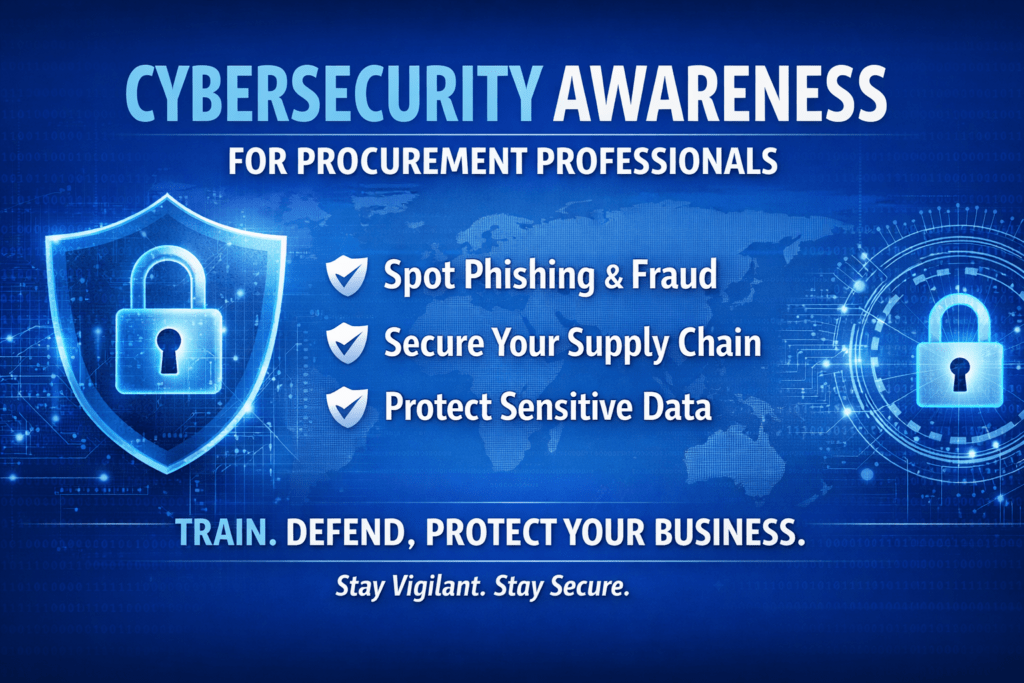
We deliver cybersecurity training designed specifically for procurement, supply chain, and ERP environments ensuring teams understand the risks unique to their roles.
Building a Cyber‑Resilient Organisation in 2026
To protect your business, ERPSM recommends a three‑layer cybersecurity strategy:
1. Cybersecurity Awareness Training
Equip staff with practical skills to identify and respond to threats.
2. Secure Digital Procurement Systems
Use platforms with strong authentication, encryption, audit trails, and vendor verification.
3. Vendor Risk Management (VRM)
Assess suppliers for cybersecurity maturity before onboarding them. A secure supply chain begins with secure vendors.
This approach strengthens compliance, reduces risk, and ensures business continuity.
ERP Software Management: Supporting Africa’s Cybersecurity & Procurement Growth
ERPSM provides integrated solutions that help organisations operate securely and efficiently:
-
Cybersecurity awareness training
-
Digital procurement system support
-
CIPS procurement qualifications
-
Vendor risk management consulting
-
ERP security guidance
-
Supply chain resilience strategies
Our mission is to help African organisations build secure, future‑ready procurement and ERP environments.
Conclusion
Cybersecurity is the hidden risk many African businesses underestimate -until it is too late. In 2026, organisations must invest in training, secure systems, and strong supplier governance to protect their operations. Cyber threats will continue to evolve, but with the right strategy, African businesses can stay ahead.
The strongest defence begins with informed people and secure systems.
Frequently Asked Questions (FAQ)
1. Why is cybersecurity important for African businesses in 2026?
Cyber threats are increasing across Africa, targeting digital systems, procurement platforms, and financial processes. Strong cybersecurity protects operations, data, and revenue.
2. How does cybersecurity affect procurement teams?
Procurement handles suppliers, contracts, and payments-making it a prime target for phishing, fraud, and supply chain attacks.
3. What is Business Email Compromise (BEC)?
BEC is a cyberattack where criminals impersonate executives or suppliers to trick employees into sending money or sensitive information.
4. How can organisations reduce cyber risks?
By training staff, securing digital systems, enforcing strong authentication, and assessing supplier cybersecurity maturity.
5. What is Vendor Risk Management (VRM)?
VRM evaluates suppliers for cybersecurity readiness to prevent supply chain attacks.
6. Why are cloud systems vulnerable?
Incorrect configurations, weak passwords, and lack of monitoring expose cloud data to attackers.
7. Does ERPSM offer cybersecurity training?
Yes-ERPSM provides cybersecurity awareness training tailored for procurement, supply chain, and ERP environments.
8. How can my organisation get started?
Contact ERPSM at info@erpsm.co.za to schedule training, assessments, or consulting.

One Response