South Africa is experiencing a surge in AI‑powered cyber attacks, with SMEs becoming the primary target. As cybercriminals adopt machine learning, automation, and deepfake technology, traditional security tools are no longer enough. In 2026, South African businesses face a new wave of threats that are faster, smarter, and more damaging than anything seen before. Integrating AI in cybersecurity is essential to combat these threats and safeguard the future of digital security in South Africa. The role of AI in cybersecurity cannot be underestimated as it provides advanced solutions to counteract these sophisticated attacks.
AI in cybersecurity helps in identifying potential vulnerabilities and offers tailored defenses.
Utilizing AI in cybersecurity allows SMEs to stay ahead of emerging threats and adapt their defenses accordingly.
To effectively combat this surge in threats, integrating AI in cybersecurity solutions is crucial for SMEs.
For SMEs, leveraging AI in cybersecurity is key to safeguarding sensitive information.
Implementing AI in cybersecurity can significantly reduce the risks posed by deepfake technology.
AI in cybersecurity not only detects threats but also anticipates them through predictive capabilities.
As the landscape of cyber threats evolves, the need for comprehensive understanding and proactive measures becomes crucial. Small and Medium Enterprises (SMEs) often operate with limited resources, making them attractive targets for cybercriminals. With AI technology, attackers can not only enhance their methods but also develop new strategies that were previously unimaginable. For instance, AI can analyze vast amounts of data to identify vulnerabilities in SMEs’ security protocols, enabling customized attacks that can evade traditional defenses. SMEs must stay informed about these emerging threats and continuously adapt their security strategies to protect sensitive data and maintain business integrity.
Why AI‑Driven Cyber Attacks Are Increasing in South Africa
Moreover, the increasing sophistication of AI in cybercrime raises the bar for SMEs. For example, AI algorithms can create personalized phishing attacks based on the target’s online behavior and social media activity. These attacks appear more legitimate and are therefore more likely to succeed. Many SMEs might underestimate the impact of a single breach, but the consequences can be devastating, leading to financial loss, reputational damage, and legal implications. Therefore, understanding the mechanics of AI-driven attacks is essential for SMEs aiming to fortify their defenses.
Additionally, the advent of AI-generated deepfake technology adds another layer of complexity to the cybersecurity landscape. Cybercriminals can create realistic video or audio representations of company executives to manipulate employees into authorizing unauthorized transactions. This tactic targets not only the financial aspects of a company but also undermines trust within the organization. As such, SMEs must implement stringent verification processes for financial transactions and communications to counteract the effects of deepfake technology.
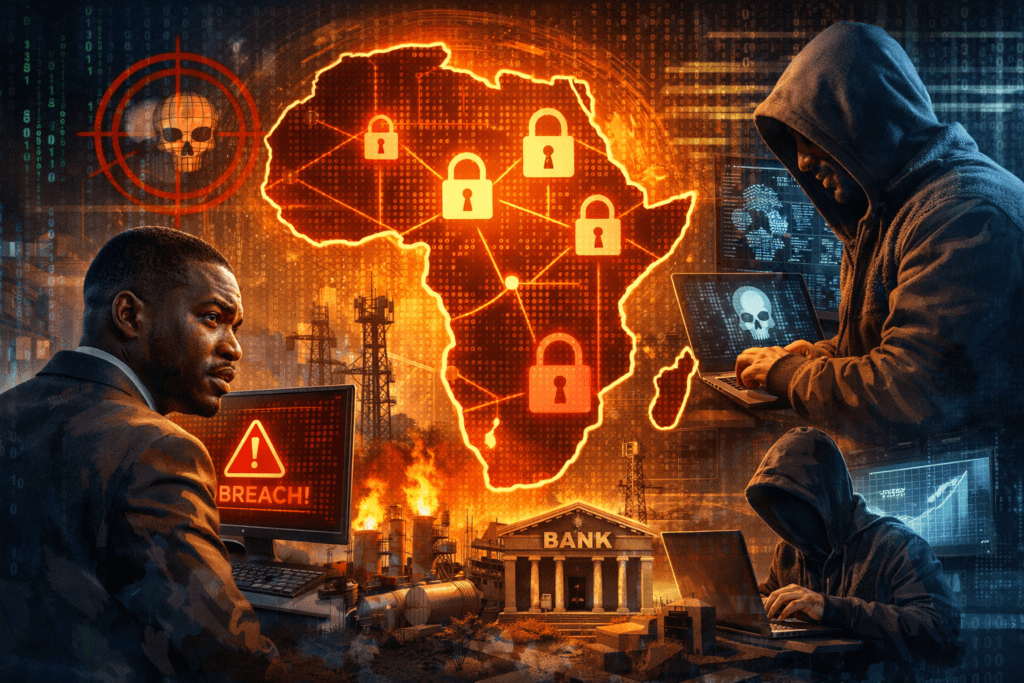
Cybercriminals now use AI to automate attacks, bypass security controls, and mimic human behaviour. According to the Interpol African Cybercrime Report, cybercrime in Africa increased by 17% in 2025, with South Africa ranking among the top three most targeted countries on the continent.
Key reasons for the rise:
- AI‑generated phishing emails that look 99% human
- Deepfake voice scams targeting finance teams
- Automated ransomware that spreads in minutes
- AI‑powered password‑cracking tools
- Supply chain attacks exploiting weak vendors
AI cyber attacks South Africa, AI‑powered phishing 2026, cybersecurity for SMEs South Africa, AI ransomware attacks Africa, next‑gen endpoint protection South Africa.
Case Study — South African SME Hit by AI‑Generated Phishing Attack
In 2025, a Johannesburg‑based logistics SME suffered a R1.2 million loss after an AI‑generated phishing email impersonated the company’s CFO. The email used:
- Perfect writing style
- Accurate internal terminology
- A cloned digital signature
- A deepfake voice note confirming the payment
Furthermore, the findings of the Interpol African Cybercrime Report highlight the importance of vigilance and proactive planning. Cyber attacks are evolving, and so should the strategies to counter them. SMEs need to conduct regular security audits, assess the effectiveness of their cybersecurity measures, and stay updated with the latest trends in cyber threats. Partnering with cybersecurity firms that specialize in AI-driven security solutions can also provide SMEs with valuable insights and tools to enhance their defenses.
The attack bypassed traditional antivirus and email filters because the message contained no malware, only social engineering powered by AI.
This incident reflects a growing trend: over 70% of South African cyber breaches now involve human manipulation, amplified by AI.
What South African SMEs Must Do in 2026
What is AI in cybersecurity?
AI in cybersecurity can enhance threat detection and response capabilities.
Incorporating AI in cybersecurity is crucial to counteract the effects of human manipulation.
Traditional antivirus cannot detect AI‑driven attacks.
2. Train Employees with Cybersecurity Awareness Programs
AI phishing is too realistic for untrained staff.
Understanding AI in cybersecurity is essential for SMEs to protect themselves from evolving threats.
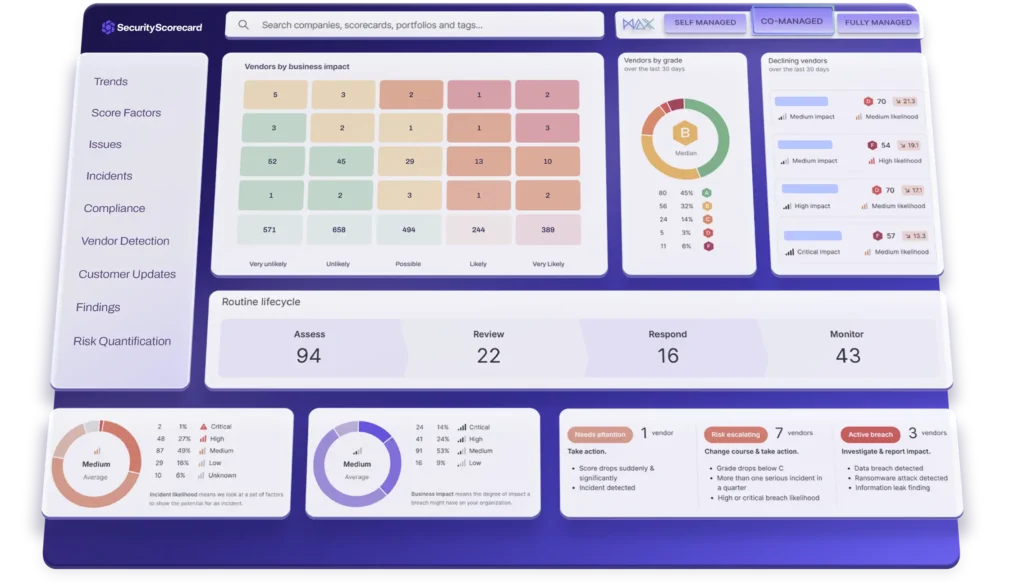
3. Strengthen Vendor Risk Management (TPRM)
In 2026, the landscape of cybersecurity will continue to evolve, and SMEs must adapt quickly to the changes. The deployment of AI in cybersecurity will be critical for defending against advanced threats. By leveraging AI tools, SMEs can automate threat detection and response, allowing for quicker reactions to potential breaches. AI can analyze patterns and anomalies in network traffic, enabling security teams to identify and mitigate threats before they escalate. This proactive approach not only enhances security but also instills confidence among clients and partners, knowing that their data is being protected with cutting-edge technology.
Incorporating AI in cybersecurity training can prepare staff for recognizing sophisticated phishing attempts.
To effectively implement next-generation endpoint protection, SMEs should engage in comprehensive training programs for their IT teams. Understanding how AI operates in both offensive and defensive capacities allows security professionals to better prepare and respond to potential threats. Moreover, they should consider investing in AI-driven solutions that offer behavioral analysis, which can detect unusual activities indicative of a breach. This approach enhances the overall security posture of the organization and reduces the likelihood of successful attacks.
As the landscape changes, AI in cybersecurity will play a vital role in defending against advanced threats.
Investing in AI in cybersecurity enhances the overall defense strategy of any organization.
60% of breaches come from third‑party suppliers.
Regular training on AI in cybersecurity can empower employees to be vigilant against emerging threats.
As part of employee training programs, SMEs should focus on simulations of AI-generated phishing attacks. By exposing employees to realistic scenarios, they can better recognize the signs of an attack and respond accordingly. This hands-on experience is invaluable for creating a culture of cybersecurity awareness within the organization. Regularly conducting these training sessions can significantly reduce the risk of successful attacks and empower employees to act as the first line of defense against cyber threats.
4. Enforce POPIA‑aligned security controls
SMEs can benefit from collaborating with experts specializing in AI in cybersecurity solutions.
AI attacks often target personal data.
Strengthening vendor risk management is also essential, especially as the interconnectedness of supply chains increases the risk of breaches. SMEs should implement stringent criteria for evaluating the cybersecurity measures of third-party vendors. This includes regular assessments and requiring vendors to adhere to specific security standards. Collaborating with vendors to share insights on emerging threats can also enhance the overall security posture of the supply chain, creating a robust defense against AI-powered attacks.
5. Use multi‑factor authentication and passwordless security
AI cracks weak passwords in seconds.
FAQs
Multi-factor authentication (MFA) is a critical component of a comprehensive security strategy. SMEs must ensure that MFA is implemented across all systems and applications where sensitive data is stored or processed. This adds an additional layer of security, making it significantly harder for cybercriminals to gain unauthorized access, even if they manage to obtain a password. Regularly updating security protocols in accordance with the latest best practices is essential for maintaining a strong defense.
1. What is an AI‑powered cyber attack?
Lastly, the importance of continuous monitoring cannot be overstated. SMEs should invest in tools that provide real-time analysis of their security environment. This includes monitoring for unusual activities across networks, systems, and user accounts. By employing AI-driven analytics, SMEs can quickly identify potential threats and take action before they escalate into significant breaches. Engaging with cybersecurity experts to regularly review and enhance monitoring strategies can further mitigate risks posed by AI-powered cyber attacks.
An attack where criminals use artificial intelligence to automate phishing, ransomware, impersonation, or system exploitation.
2. Why are South African SMEs being targeted?
SMEs often lack advanced security tools, making them easier to breach.
3. Can AI bypass traditional antivirus?
Yes — AI attacks often use social engineering, not malware, making old antivirus ineffective.
4. What industries in South Africa are most at risk?
Finance, logistics, retail, healthcare, and supply chain‑dependent sectors.
5. How can SMEs detect AI‑generated phishing?
Through cybersecurity awareness training and advanced email filtering tools.
6. Does POPIA require protection against AI‑driven threats?
In conclusion, embracing AI in cybersecurity is essential for the survival of SMEs in a digital world.
Yes — POPIA mandates “appropriate technical and organisational measures.”
Ultimately, AI in cybersecurity is a fundamental component of modern security practices.
7. How does TPRM reduce AI‑powered supply chain attacks?
It identifies high‑risk vendors and monitors their cyber posture in real time.
8. What is the most effective defence in 2026?
In conclusion, the integration of AI in cybersecurity is not just an option for SMEs; it is a necessity. As cyber threats become increasingly sophisticated, the urgency for SMEs to adopt advanced security measures grows. By leveraging AI in cybersecurity, SMEs can enhance their defenses, safeguard sensitive information, and ultimately ensure their survival in a digital landscape fraught with danger. Protecting against AI-driven threats requires vigilance, proactive strategies, and a commitment to continuous improvement in security practices.
A combination of next‑gen endpoint protection, employee training, and vendor risk management.